
Why Ceremonies Matter

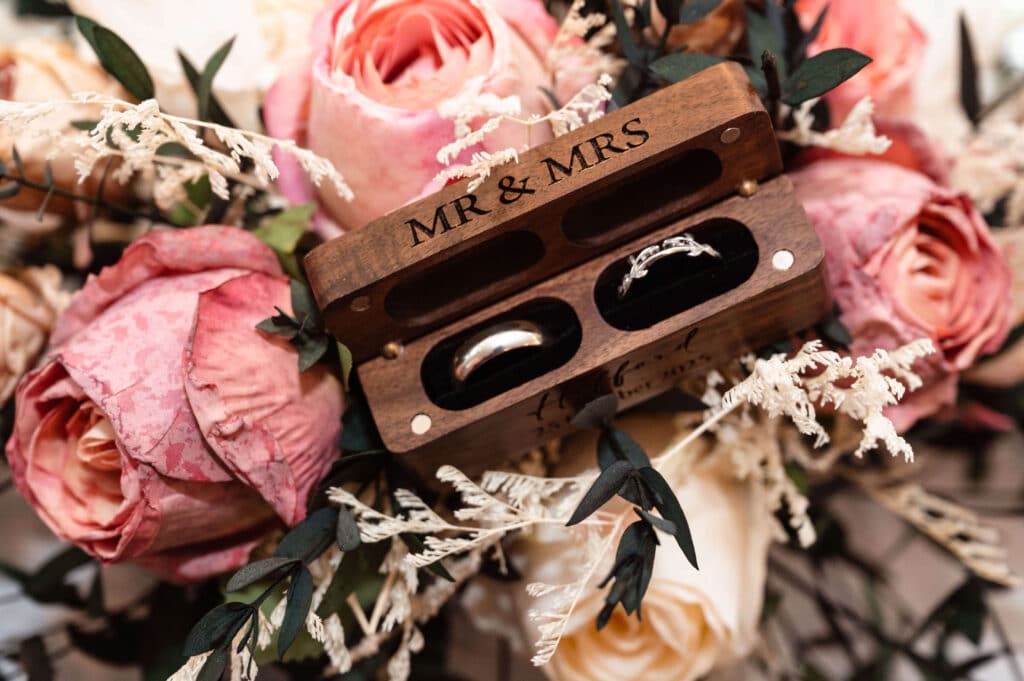
“Do you really need a wedding? Just sign the legal paperwork!” “Mum didn’t want a fuss, so we’re not having a funeral.” “Isn’t a naming ceremony a bit much?”
If you’ve heard (or said) something like this, you’re not alone. Life is busy and expensive, and ceremonies can start to feel like optional extras. But people all over the world, in pretty much every culture, have always gathered to mark births, marriages, deaths and more. I think that tells us something about being human, and why it’s important to talk about why ceremonies matter.
How I got here
Looking back, I was probably always going to end up as a celebrant. My mum wrote speeches and trained people to deliver them, so I grew up knowing that the right words, spoken well, have the ability to move people.
At university I studied Sociology and Anthropology (and I’m a bit of a history nerd too), and I kept coming back to the way rituals and gatherings can change things for people and communities. (Bear with me, because that inner sociology and history nerd is going to pop up a lot this blog!) Nearly 30 years ago I started putting that into practice, designing and running community events in the USA and Bolivia. I worked in prisons, homeless shelters, schools and orphanages in deprived areas, and with people from all walks of life. Again and again I saw how one shared moment could bring people together and help them through challenging times.
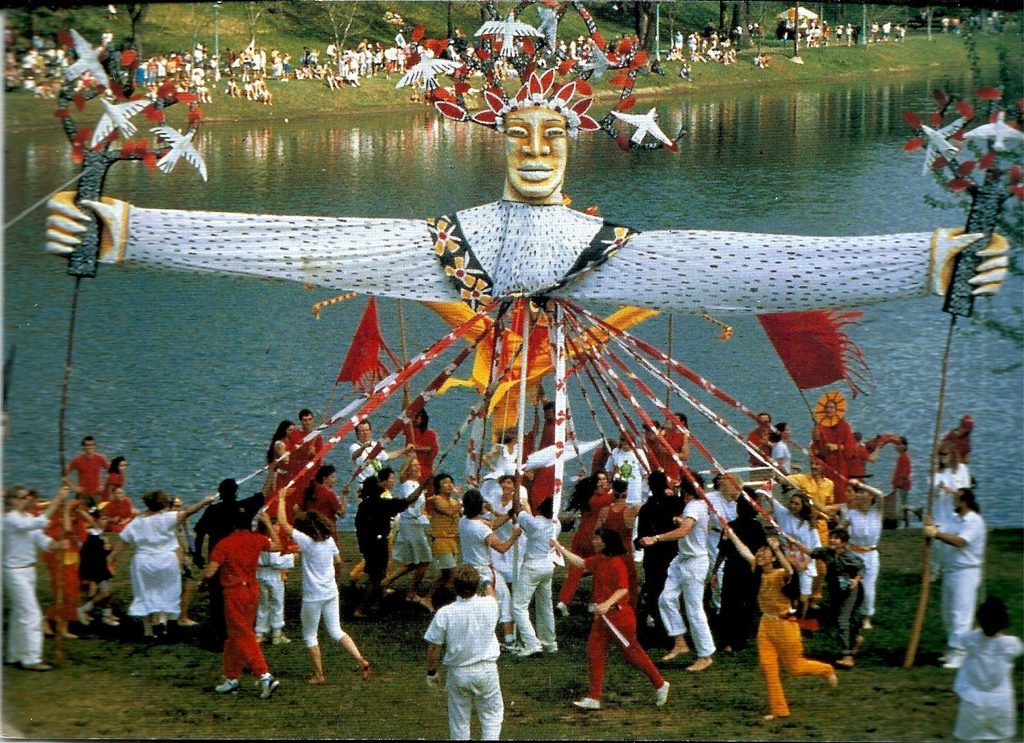
When I came back to the UK, I did postgraduate work in creative arts therapies, which showed me the more personal side of all this. Symbols, stories and rituals can help someone work through grief, trauma or big changes in their life.
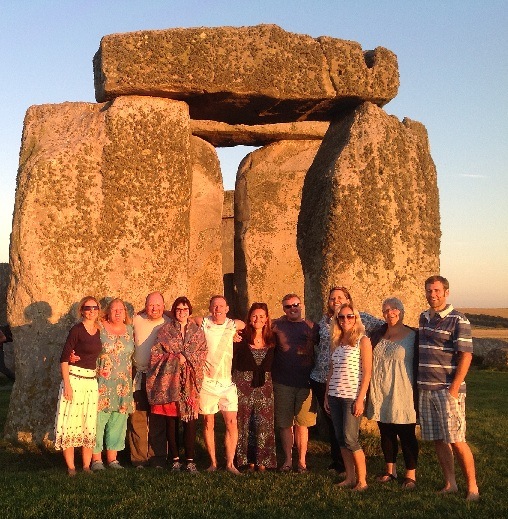
Becoming a celebrant 14 years ago felt like the obvious next step. Lately, I’ve been itching to go further. However personal a ceremony is, I think it can be deeper and more meaningful still. And the more people understand why ceremonies matter, and how to create their own, the more we can come together and feel that shared energy that changes us.
We’ve always done this
Marking life’s big moments isn’t new. Archaeologists have excavated burial sites at places like Qafzeh and Skhul that are around 100,000 years old, some with shells, ochre or animal remains laid alongside the bodies.
Every culture has its own version. Hindu families hold a namakarana to name a new baby. Jewish mourners sit shiva for seven days. In Ghana, funerals can be colourful celebrations that go on for days. Then there are Scottish handfastings, coming-of-age days in Japan, and Día de los Muertos in Mexico. They all look very different, but underneath it’s the same thing – something big happens, and we get together.
Marking the threshold
The French anthropologist Arnold van Gennep coined the phrase “rites of passage.” He noticed that ceremonies all over the world tend to follow three stages. First you leave behind an old identity, then there’s an in-between phase, and finally you step into a new one.
Later on, another anthropologist, Victor Turner, looked more closely at that middle bit, which he called “liminality.” It’s the moment in the doorway, when you’re not who you were anymore but you’re not quite who you’re becoming either. Think of the pause just before the vows, or the quiet at the graveside before the first handful of earth is dropped.
These moments happen whether we mark them or not. Babies are born, couples commit to each other, people die. A ceremony gives that moment a shape. It’s a way of saying that this matters, that things have changed, and we’ve noticed. When we skip it, the change can feel unfinished, as if life has carried on before we’ve had a chance to catch up.
Ceremonies help us heal
Some of the strongest evidence for why ceremonies matter comes from research into grief. A 2014 study by Harvard researchers found that people who carried out rituals after a loss reported less grief than people who didn’t. What surprised me was that the rituals didn’t have to be religious or elaborate. What seemed to help was feeling a bit more in control at a time when everything felt out of control.
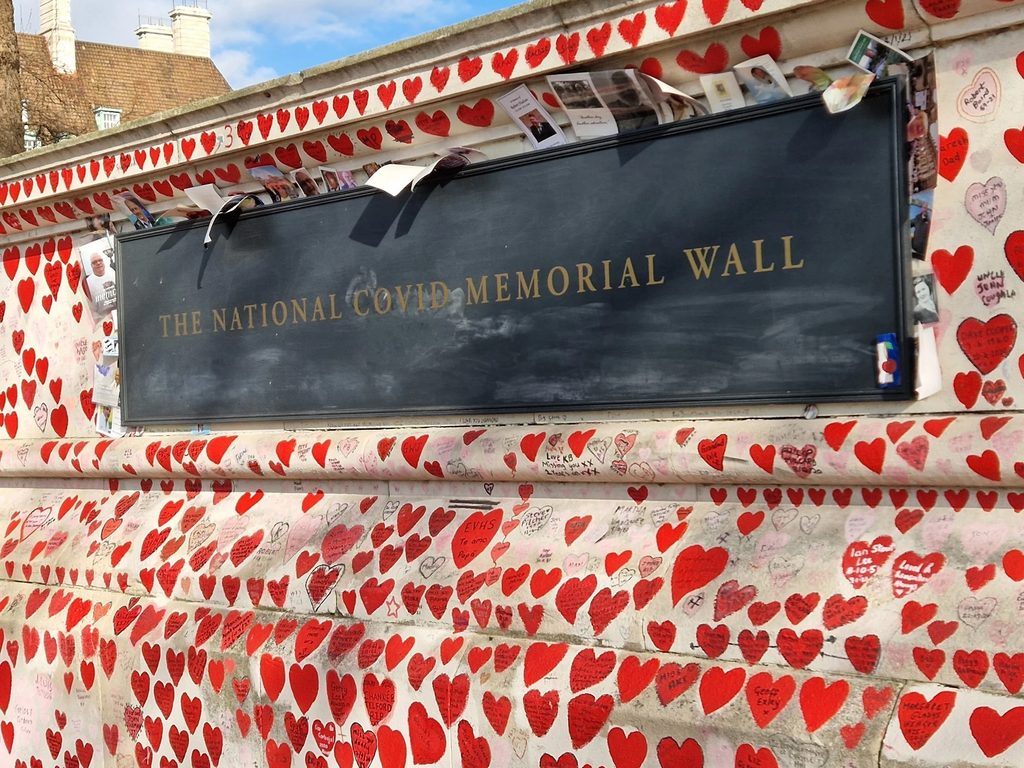
During the pandemic, lots of bereaved people felt they’d been robbed of a proper goodbye, and experts worried that disrupted mourning could leave more people with prolonged or complicated grief. Many families held memorials later, once they could, because they still felt something needed doing. I know that feeling. We lost two dear friends during that time and never got to say goodbye properly. I still have questions, and I’m still grieving them.
A funeral won’t take the pain away, and it isn’t meant to. What it does is give pain a place to go.
Gathering together is a way of choosing life
I haven’t always felt this way. Years ago I told my family not to bother with a funeral when I’m gone. They’re too expensive. Just have a party! But I’ve changed my mind. The more I’ve seen of what happens when people gather to say goodbye, the more I understand how much it’s needed, especially for everyone left behind. So now my family knows I want a proper farewell AND a party!
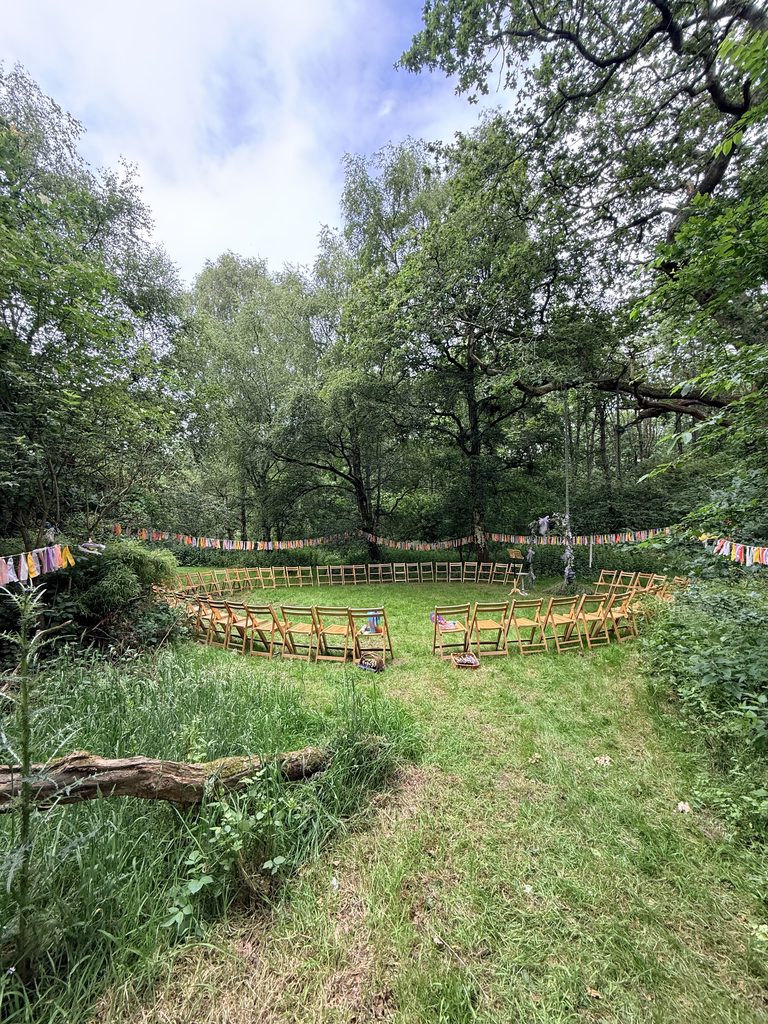
Something lovely happens when people come together after a death. We’re there for the person who’s gone, but the room ends up full of life. People tell stories. Someone laughs at a memory they’d forgotten all about. Old friends catch up. A funeral lets us hold two things at once. Someone has died, and the rest of us are still here, still connected to each other and still able to love.
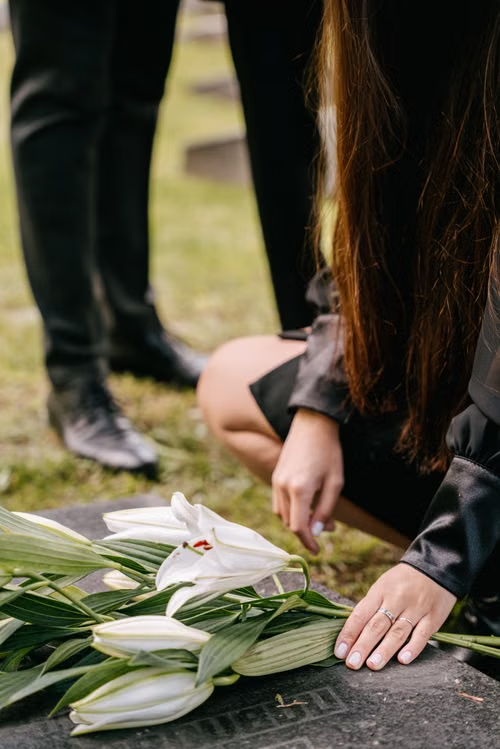
In that way the ceremony honours both the dead and the living. Saying someone’s name out loud, and talking about what they cared about and how they lived, is how we show that they mattered. Anthropologists have long pointed out that funerals help place a person’s life in its proper context, so it becomes part of a family’s or community’s history rather than going unnoticed.
For those of us left behind, being together is also where grief can start. When loss is dealt with privately, it can get stuck. When it’s shared, it starts to shift. We lift each other up, and grief becomes something we carry together instead of alone, which makes it a lot easier to bear.
Funerals also have a way of making us look at our own lives. It’s hard to sit through one without taking stock. We think about the choices we’ve made, what we really value, the friendships we’ve let slide and the ones we want to hang on to. Research has shown that thinking about death can nudge people to put more weight on relationships, meaning and personal growth, and less on money or status.
So a ceremony that marks an ending often sends us back out into the world paying a bit more attention. We pick up the phone and call the friend we keep meaning to reach out to for ages. We appreciate things a little more, because we’ve just spent an afternoon facing up to how short life is. That’s one of the oldest reasons we’ve always had ceremonies, and it’s a big part of why they still matter so much.
Ceremonies change us
Rituals can also change how we feel and behave. Studies have found that doing a short ritual before something stressful can ease anxiety and even help people perform better. Marking the moment seems to help us step into it. I have my own little rituals before I lead any ceremony.
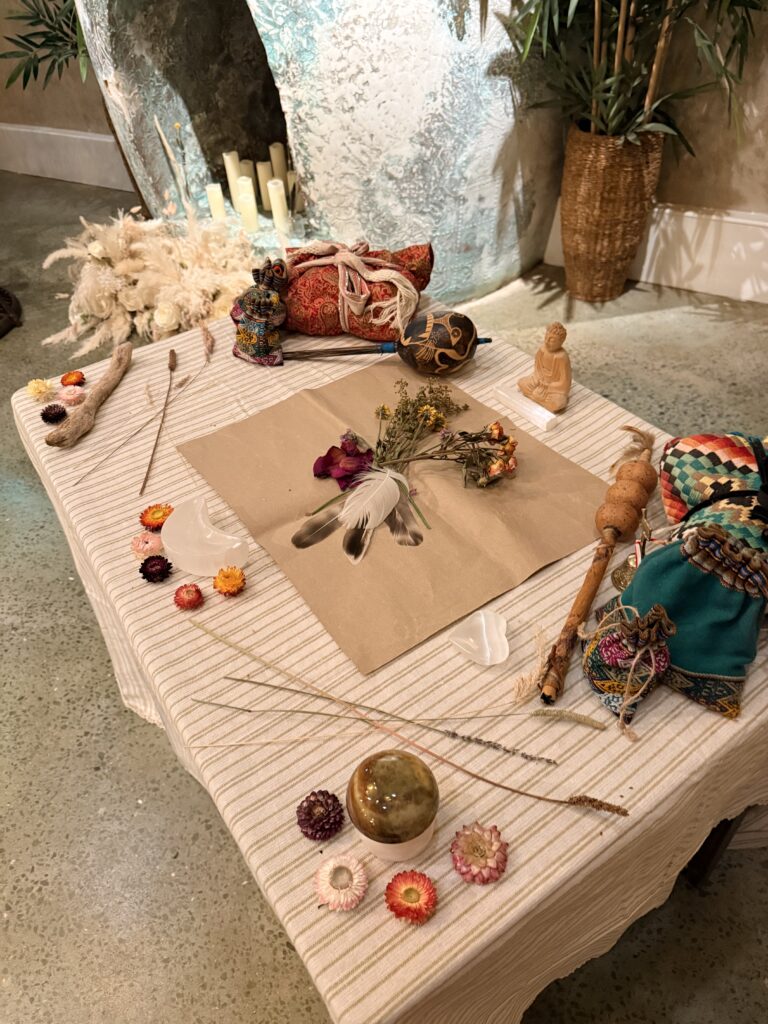
Weddings work in a similar way. Making promises in front of the people who matter to you carries real weight, because now those words have been said in public, heard by others and remembered. Lots of couples tell me they feel different after the ceremony, even if they’ve lived together for years. The wedding didn’t create their love, but it did change where that love stands, both for them and for everyone around them.
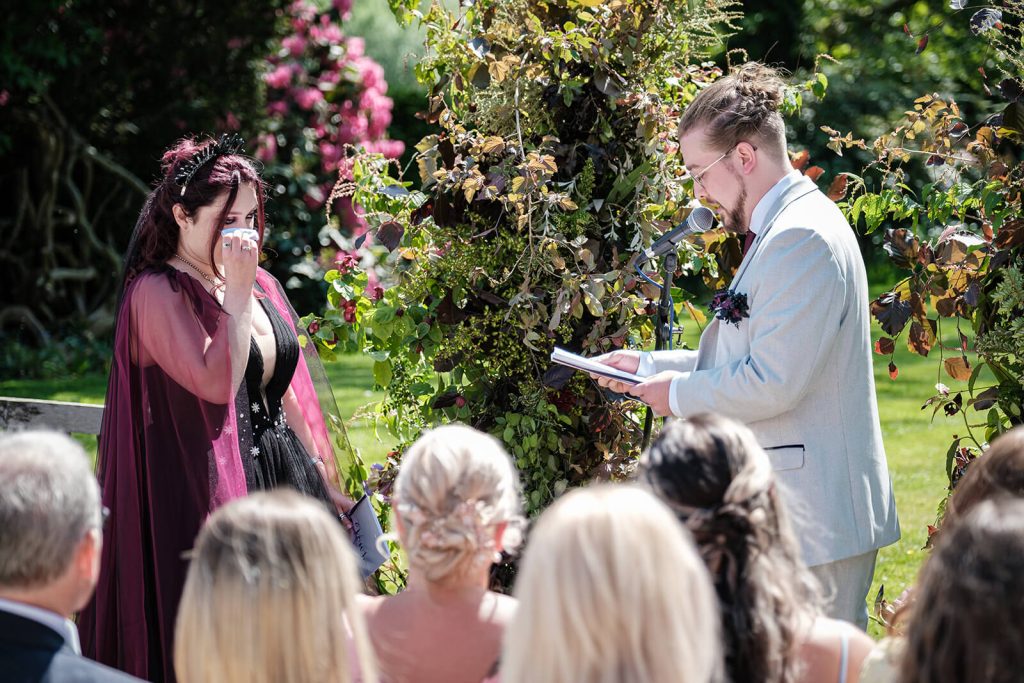
It’s the same with a naming ceremony. When you choose guideparents, say out loud what you hope for your child’s future and welcome them into a bigger circle of people, a private joy becomes a promise that everyone shares. That child now belongs to more people than just their parents.
Ceremonies help us celebrate
Of course, not every ceremony is sad. Plenty are pure joy, and joy deserves marking too!
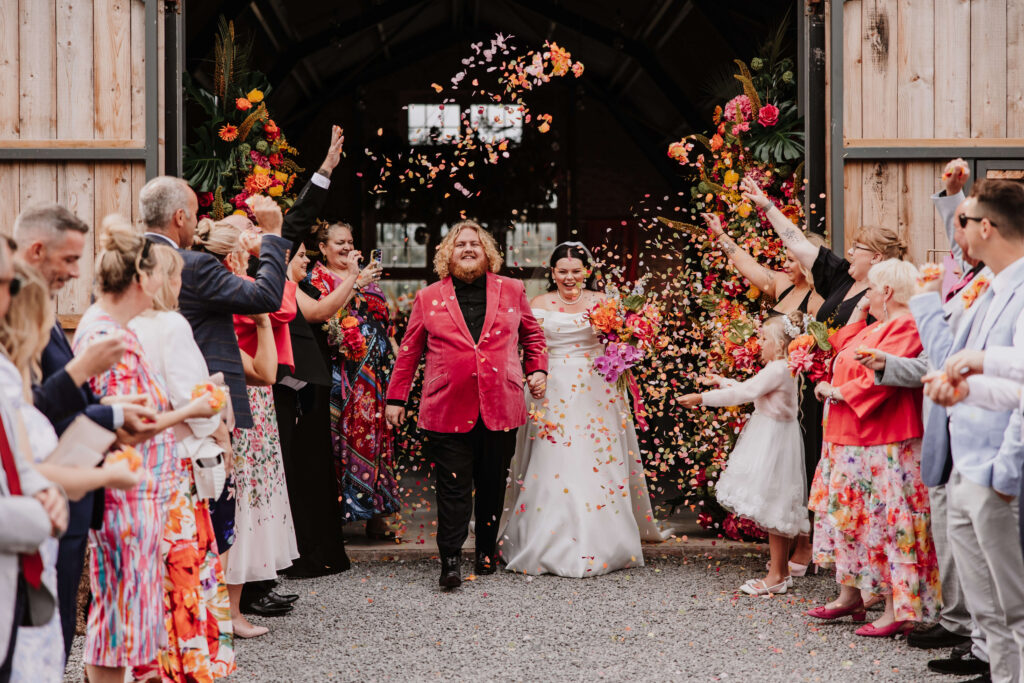
The sociologist Émile Durkheim talked about something he called “collective effervescence.” It’s the buzz you get when a group of people come together and focus on the same thing. You’ve probably felt it on the dance floor at a wedding, or singing along in a packed room. Celebrating together is good for us, for our bodies and our relationships.
Grieving together
One of the quieter gifts of a ceremony is that it brings together people who might otherwise be struggling on their own. Grief can be lonely. So can becoming a parent, and even marriage can sometimes feel lonelier than you expected. A ceremony brings your people into the room with you.
That matters more than we might realise. Research has linked strong social relationships to a 50% greater likelihood of survival, which makes connection a health issue and not a luxury. It’s a big part of why the pandemic was so hard on so many of us. We lost that connection and had nothing to anchor us.
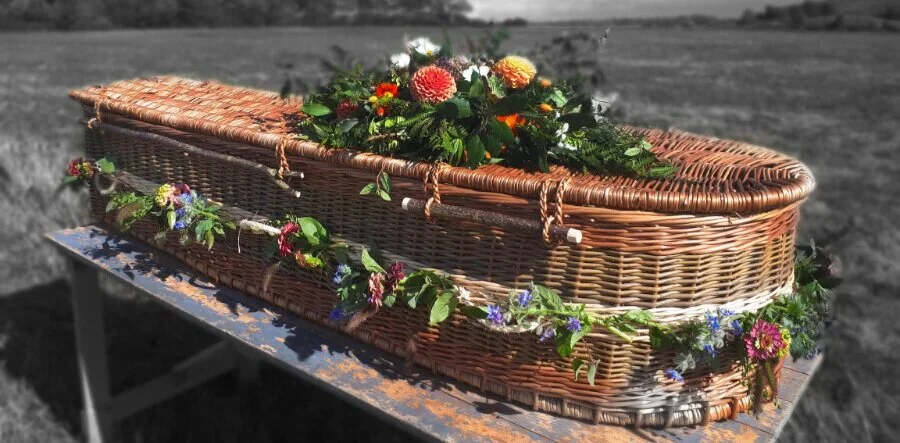
A funeral reminds us that other people are holding our grief with us. The ceremony makes the space and the people who come fill it. Often the support people offer on the day carries on long afterwards, because now they know to check in on each other.
Is it worth it?
A ceremony doesn’t have to be expensive, traditional or big. It could be a few people in a garden, a walk to a favourite spot, or lighting a candle on an anniversary. What makes it work is intention. You stop, you acknowledge that something important has happened, and you invite other people to be there with you.
We’ve been marking these moments for as long as we’ve been human. We do it because change is hard to carry by yourself, because joy grows when you share it, and because both love and loss deserve to be said out loud. That’s why ceremonies matter.
If something in this blog has resonated with you and you want to mark a milestone with a ceremony then let’s have a chat!
Share the love