
Celebration of Life after a Direct Cremation: Why We Still Need to Gather

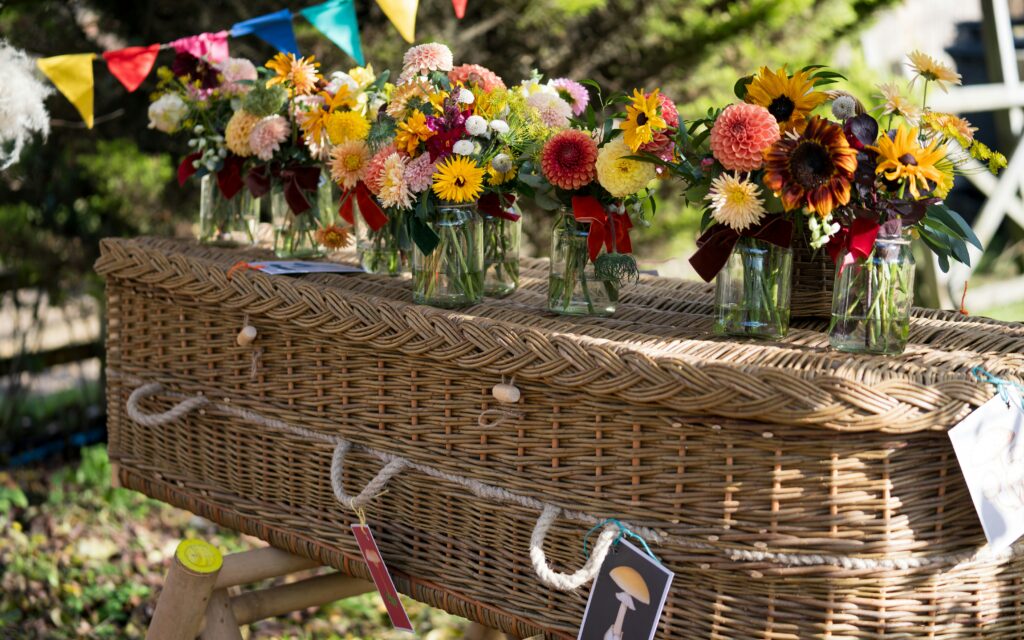
In the last few years, choosing a direct cremation has gone from something hardly anyone knew about to something you can’t avoid. It’s advertised between daytime shows and all over social media. Yet a direct cremation doesn’t mean you can’t gather for a celebration of life.
How direct cremations are changing the way we say goodbye
If you haven’t come across it yet, a direct cremation is a simple, unattended cremation with no service at the crematorium and it usually costs a lot less than a traditional funeral. You can arrange it through your local funeral director or one of the large national cremation companies. Each offers something a little different.
The numbers are startling. According to SunLife’s 2026 Cost of Dying report, direct cremations make up 21% of all UK funerals, up from just 3% in 2019. Leave burials out of the picture and that’s more than one in four cremations. In the space of just six years, what was once a niche option has gone mainstream.
I’m not going to get into the pros and cons of choosing a direct cremation here. People choose it for all sorts of reasons and every one is valid. What I want to talk about is what comes after, and why a celebration of life still matters so much to honour memories. Because that’s where I think a lot of families are missing a trick.
Direct cremations have torn up the script of what a funeral used to look like. Families are realising that they have far more choice than they ever thought they did. They’re asking questions. They’re shopping around and some are asking to do the funeral differently.
I think this is brilliant. We all have to change and clinging to the way it’s always been done helps no one, least of all grieving families. But in all the change, I worry we might lose something precious.
Why we still need to gather after a direct cremation
I believe, with every fibre of my being, that just because someone has chosen a direct cremation doesn’t mean you can’t gather for a celebration of life or memorial to honour them. Indeed you should.
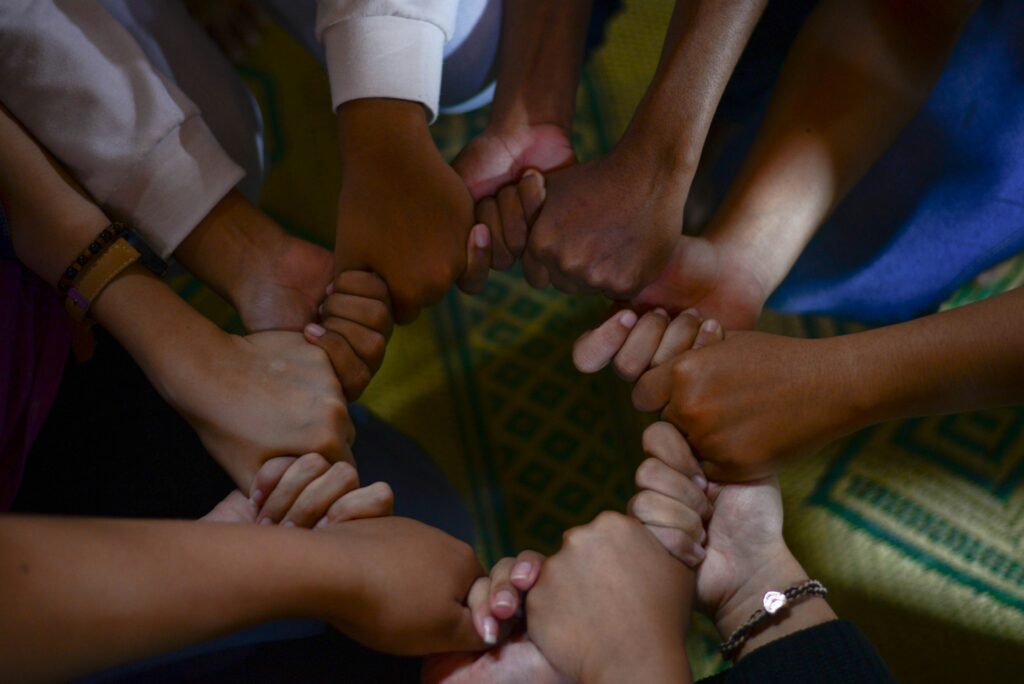
A direct cremation takes care of the body. It doesn’t take care of the grief. It doesn’t give the people left behind a moment to come together, to say the name out loud, to laugh at the story everyone has heard multiple times, or to cry in good company. For as long as humans have existed, we have gathered to mark a death. We need ceremony and ritual to help us process what we’re feeling.
But when we don’t gather, grief has nowhere to tether. In their book Lost Rites: Community of Grief, Alexandra Derwen says,
“One of the consequences of a lack of rites of passage is the disconnect and avoidance of grief and grieving. The whole point, one could argue, of a rite of passage is to let go of the form that we were before (celebrating it and grieving it) and then welcoming the new form that we are becoming. Grief and celebration would be at the very heart of a wholesome initiatory culture.”
What I learnt when we didn’t gather
I know this from my own family. When my step grandfather passed away decades ago, he opted for a direct cremation. He didn’t want a gathering and we honoured his wishes. I understood why he made that choice.
But I also saw what happened afterwards. There were people who felt somewhat adrift. There was no moment when it became real. No point when we could turn to each other and say he mattered. The grief didn’t disappear just because we had not ceremony. It just had nowhere to go.
I wish we had known that respecting someone’s wish for a direct cremation and gathering to remember them aren’t opposites. You can do both. Let the cremation be simple, as they wanted, and still come together afterwards to remember, to honour and to say thank you.
It’s worth noting that a direct cremation can sometimes take place before or after the celebration of life. When my father passed away a few years ago he had a direct cremation. But we gathered for a church service before the cremation. His coffin was present and then taken away after the service. It was important to us that his body was present and the local funeral director we worked with was able to honour our wishes.
Celebration of life venues: the freedom you didn’t know you had
Increasingly, I’m contacted by families who understand this. They’ve had a direct cremation or they’re planning one, and they want a celebration of life or memorial somewhere other than a crematorium.
And oh, the places we can go!
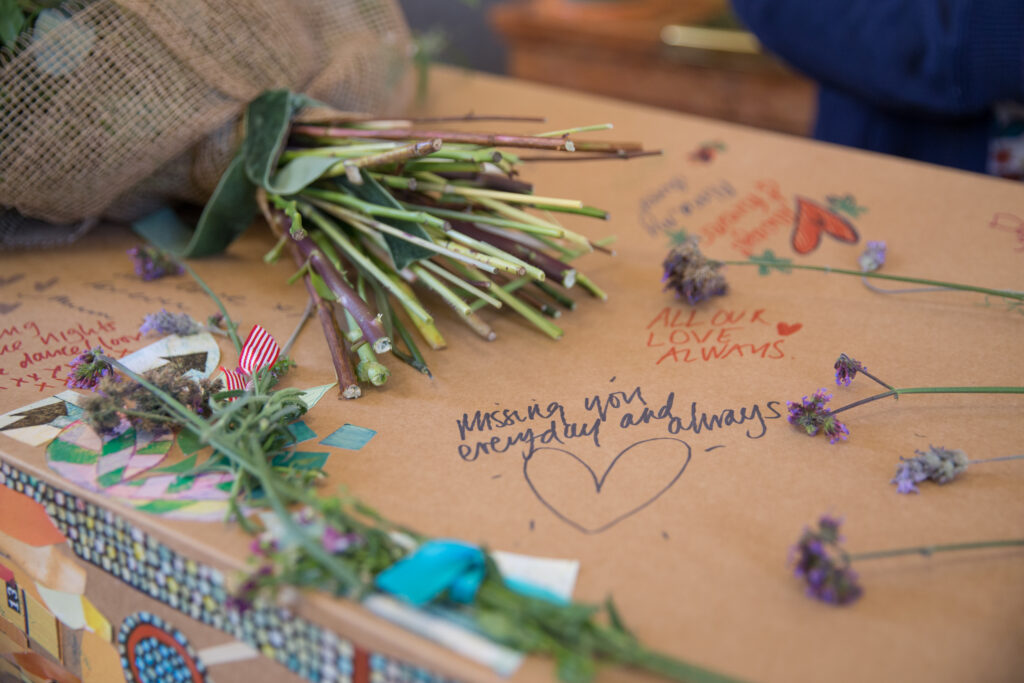
Over the years I’ve led ceremonies in pubs, woodlands, orchards, gardens, hotels, stately homes, village halls and beaches, to name but a few. Without the restrictions that come with a crematorium, there’s so much more scope to honour a life properly.
You can take your time on the day. Nobody is hovering by the door because the next service starts in 15 minutes. If the stories run long, they run long!
You can take your time arranging it too. A celebration of life doesn’t have to happen within weeks. Sometimes it’s better to wait until the initial shock has worn off, when you have the headspace to create something truly befitting of the person.
When there are no restrictions, you can create something that really reflects the person and it’s completely up to you what that looks like. When my ex-husband passed away a few years ago, his family waited several months to plan a spectacular celebration of his life – in a theatre which was always his happy place! A celebration full of tributes, music, and rituals truly befitting his life.
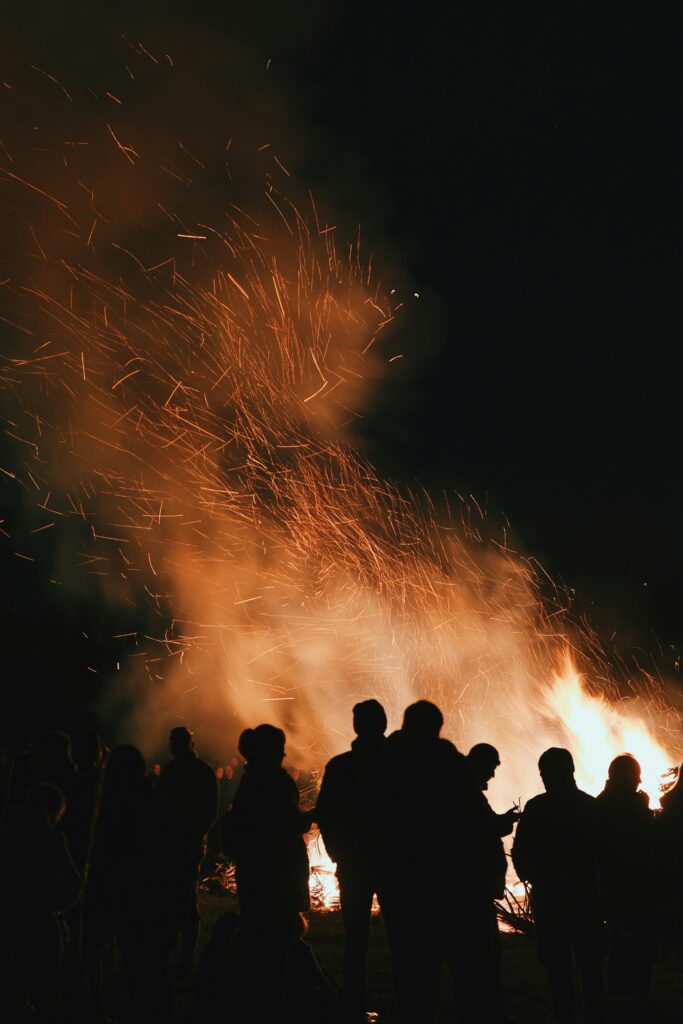
I’ve led a festival style party around a bonfire. I’ve gathered a family in their persons favourite pub, grandchildren and all, in a setting that made far more sense to little ones than a formal chapel ever could. We’ve created tributes, rituals, music, reading, slideshows, film reels, dancing, favourite food, memory boxes and so much more.
As a celebrant, this is the stuff I love to do. When the so called boundaries disappear, we’re free to build something that works for the people in the room.
5 ways to honour your loved one with a celebration of life after a direct cremation
If you’re wondering where to start, here are a few ideas.
1. Choose a place that meant something to them
Their local, the woods where they walked the dog, the garden they tended, the village hall. When there are no restrictions, you can go anywhere. A meaningful setting does half the work for you because the memories are already present.
2. Give yourself time
Believe it or not, you don’t have to rush. Hold the gathering when you’re ready and when all those who matter can be present. Grief doesn’t stick to a timetable and neither should your celebration.
3. Create a ritual everyone can take part in
Light candles, plant a tree, blow bubbles, raise a glass, write down messages for a memory box. A simple shared ritual gives everyone something to do with their hands and hearts, and often becomes the moment everyone remembers.
4. Give everyone a voice
Invite people to share their memories, out loud or written on cards. Ask children to draw a picture. Read their favourite poem or a passage from a favourite book. A celebration of life is memorable when it’s woven from lots of different threads.
5. Make it personal to them
Play their music and if they loved to dance – dance! Serve their favourite food. Wear their colours and tell their awful jokes! The aim is for everyone to walk away saying, “That was so them!”

Direct cremation and a celebration of life: changing with the times
The rise of direct cremations is part of a much bigger shift. Families having real choice is a good thing! Funerals and celebrations of life becoming more personal, more flexible and more honest is a good thing too.
But don’t confuse a simpler cremation with a smaller goodbye. The people we love deserve to be remembered out loud, together. And we need to be able to grieve them in company so that we can support each other as we cross the threshold of the final goodbye.
Planning a celebration of life?
If you’re planning a ceremony for your loved one – whether after a direct cremation or in any other way, please get in touch. I’m an independent celebrant based in Hampshire and I’d love to hear about the person you’re remembering and help you to create a gathering that’s as unique and memorable as they were.
With thanks to Dead Good Legacies and The Good Funeral Guide for the photos used in this blog.
Share the love